Best Mass Communication Colleges in India: What Sets the Leaders Apart in Media Education


The Indian media and communication industry has witnessed rapid growth over the past decade, driven by digital platforms, 24×7 news channels, OTT content, podcasts, and social media journalism. As a result, the demand for skilled media professionals has increased significantly. For aspiring journalists, content creators, anchors, and media strategists, choosing from the best mass communication colleges in India has become a crucial career decision.
While several institutions offer mass communication programs, only a few truly stand out due to their academic depth, industry exposure, and practical learning environment. Understanding what defines excellence in media education helps students identify colleges that offer long-term career value rather than just a degree.
The best mass communication colleges in India share certain defining characteristics that prepare students for the realities of the media industry. These include:
Institutions that successfully combine theory with hands-on learning consistently produce confident, industry-ready professionals.
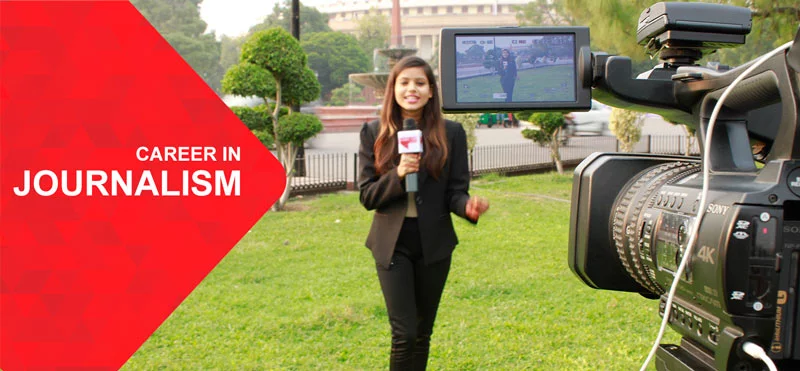
Mass communication is a skill-based field where classroom theory alone is not sufficient. The best mass communication colleges in India prioritise experiential learning through studio-based classes, field reporting, production exercises, and live media simulations.
Practical exposure enables students to understand newsroom ethics, deadline pressure, storytelling formats, camera presence, and audience engagement. Colleges that provide offer students a realistic understanding of media careers from the early stages of their education.
One of the most important factors that separate top mass communication colleges from average institutions is faculty strength. Colleges led by experienced journalists, media educators, and industry professionals ensure that students gain insights beyond textbooks.
Many of the best mass communication colleges in India regularly invite senior media professionals as guest speakers and mentors. These interactions help students stay updated with current industry trends, newsroom practices, and ethical challenges in modern journalism.
Media careers today extend far beyond traditional print journalism. Leading colleges offer programmes and specialisations that reflect the evolving media ecosystem, including:
Institutions that continuously update their curriculum in line with industry demands provide students with a competitive advantage in the job market.
Geographical location plays a crucial role in media education. Many of the best mass communication colleges in India are located in Delhi NCR, which is home to major news channels, production houses, digital media platforms, government institutions, and national media events.
Studying in a media hub allows students to participate in studio visits, live debates, media summits, and field reporting assignments that significantly enhance learning outcomes. Exposure to real-world media environments strengthens both technical skills and professional confidence.
Top mass communication colleges focus on holistic development by encouraging students to participate in live shows, panel discussions, media conclaves, newsroom interactions, and on-ground reporting experiences.
Such exposure helps students develop critical thinking, communication clarity, ethical judgment, and adaptability—qualities that are essential for success in journalism and media professions. Institutions that prioritise learning beyond classrooms consistently rank among the most preferred choices for aspiring media professionals.
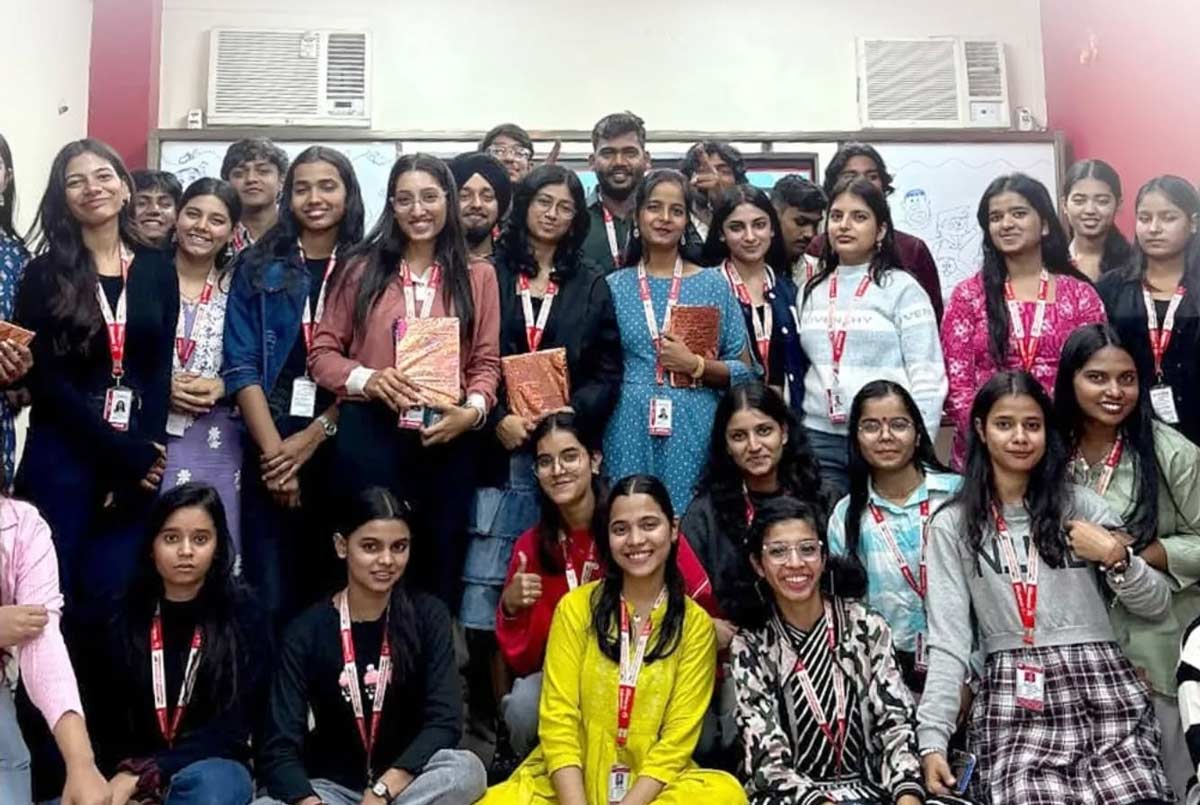
Among institutions contributing to quality media education in India, the Higher Institute of Mass Communication (HIMCOM) has emerged as a notable example of exposure-driven learning. Known for its strong focus on practical training, HIMCOM integrates academic learning with real-world media experiences.
HIMCOM emphasises studio-based education, industry interaction, and experiential learning, enabling students to engage directly with the functioning of newsrooms and media organisations. Regular interactions with journalists, anchors, filmmakers, and media professionals help students gain first-hand insights into the industry.
The institute’s location advantage in Delhi further enhances opportunities for live studio exposure, media events, and professional networking. This balanced approach to theory, practice, and industry engagement places institutions like HIMCOM among the preferred options for students seeking career-focused mass communication education.
Selecting from the best mass communication colleges in India requires careful evaluation of curriculum quality, practical exposure, faculty expertise, and industry connectivity. Rankings alone should not be the sole deciding factor. Students should look for institutions that offer real learning experiences, encourage creative expression, and prepare them for the fast-changing media landscape. Colleges that bridge the gap between classrooms and newsrooms continue to shape the future of India’s media professionals.
The journey into media and journalism begins with choosing the right educational foundation. Institutions that combine academic strength, industry exposure, and hands-on training continue to define excellence among the best mass communication colleges in India.